The Social Foundation of Player Retention
When examining player lifetime value across major multiplayer titles, a consistent pattern emerges: players who join and actively participate in guilds, clans, or similar social structures demonstrate dramatically higher retention rates. Industry data from leading MMORPGs shows that guild members play 3-5 times longer than solo players, spend more on in-game purchases, and are significantly more likely to return after breaks.
This phenomenon isn't coincidental. Human psychology reveals that we're fundamentally social creatures who seek belonging and shared purpose. When games successfully tap into these intrinsic motivations through well-designed guild mechanics, they transform from entertainment products into social platforms where meaningful relationships form. These relationships become the primary retention mechanism—players don't just return for new content, they return for their friends.
Key Retention Metrics
The impact extends beyond simple metrics. Guild participation fundamentally changes how players perceive and interact with games. Solo players view games as products to be consumed—once they've experienced the content, they move on. Guild members view games as social spaces where they've invested time building relationships and reputation. This shift in perception creates powerful retention effects that persist even during content droughts.
Anatomy of Effective Guild Mechanics
Not all guild systems are created equal. The most successful implementations share common design principles that maximize social interaction and create interdependence among members. Understanding these principles is crucial for developers seeking to leverage community-driven retention.
Shared Progression Systems
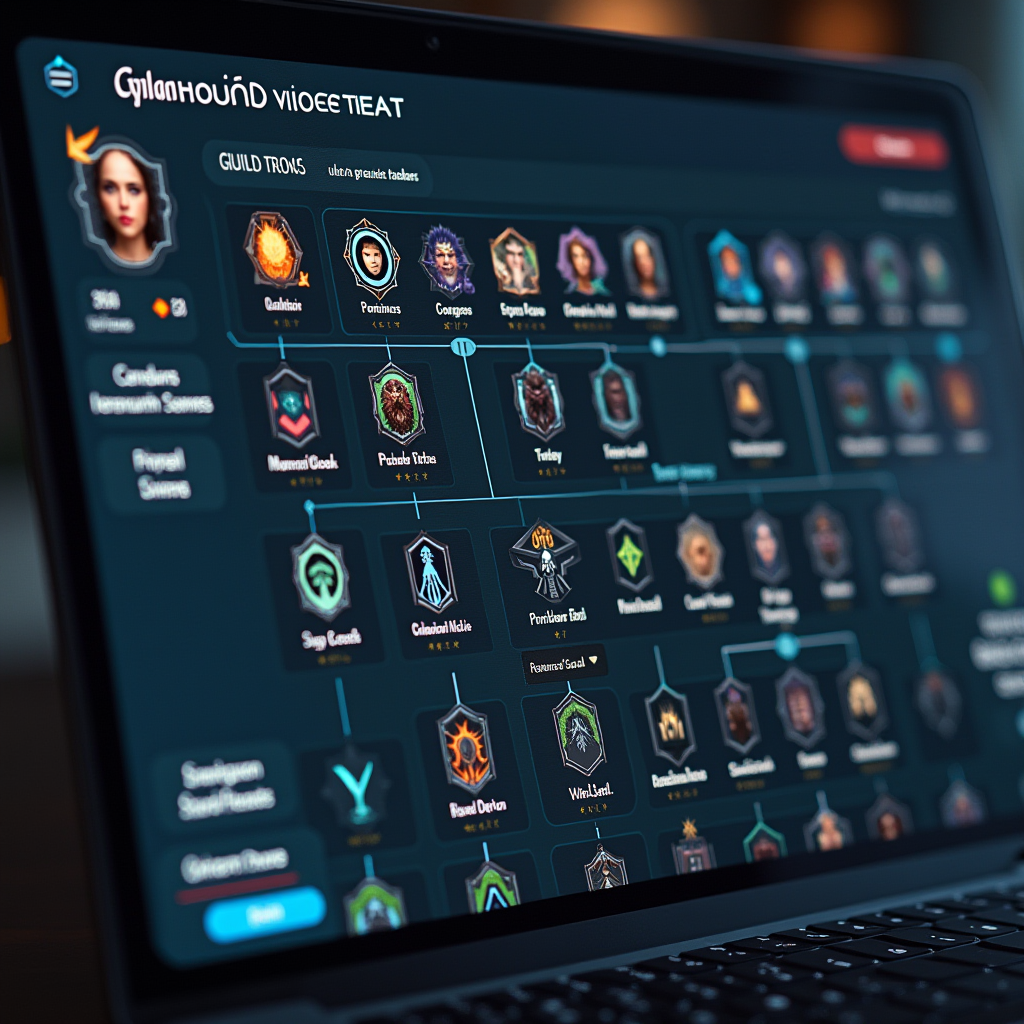
The most powerful guild mechanics revolve around shared progression—systems where individual contributions accumulate toward collective goals. This design creates several psychological hooks that drive engagement. First, it establishes clear group objectives that give members a sense of shared purpose. Second, it creates social accountability, as members feel responsible for contributing to group success. Third, it generates positive peer pressure that encourages consistent participation.
Successful implementations of shared progression include guild leveling systems, collective resource pools, territory control mechanics, and group achievement tracking. Games like Final Fantasy XIV and Guild Wars 2 excel at this, offering guild halls that members collectively upgrade, creating tangible representations of group effort that strengthen community bonds.
Interdependent Gameplay Design
Beyond shared progression, effective guild mechanics create situations where players genuinely need each other. This interdependence can take many forms: role-based gameplay where different classes complement each other, content that requires coordinated teamwork, or economic systems where specialization and trade create mutual benefit.
World of Warcraft's raid design exemplifies this principle. High-end raids require specific team compositions, coordinated execution of complex mechanics, and sustained cooperation over multiple sessions. This creates strong incentives for stable group formation and regular participation. Players can't simply drop in and out—they become integral parts of a functioning team, creating social obligations that drive retention.
Case Study: Guild Wars 2 and Community-Driven Content
Guild Wars 2: Building Retention Through Collaborative Systems
Guild Wars 2 provides an excellent case study in community-driven retention. The game's guild system includes multiple features designed to encourage ongoing participation and social bonding.
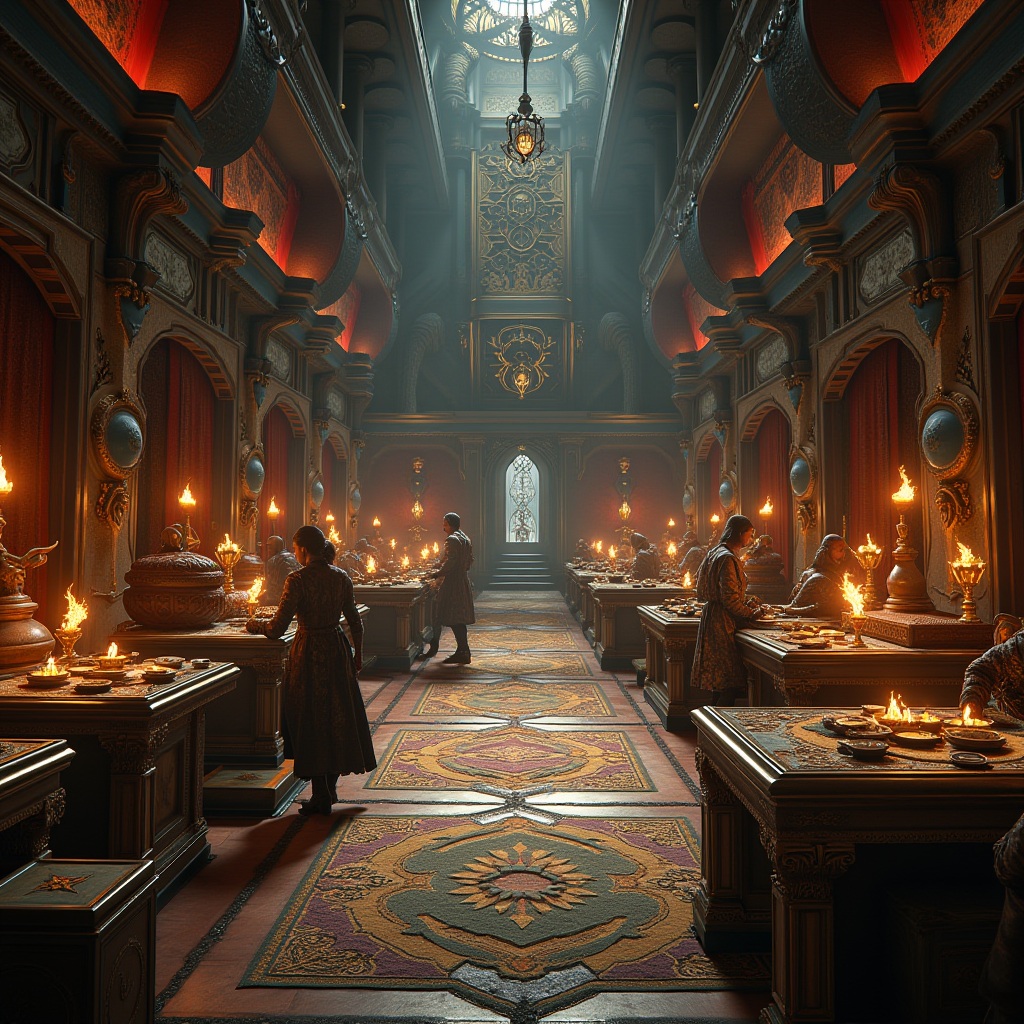
Guild Halls: These customizable spaces serve as social hubs where members gather, plan activities, and showcase collective achievements. The upgrade system requires sustained resource contribution from multiple members, creating ongoing engagement loops.
Guild Missions: Weekly cooperative challenges that require coordinated group effort, providing structured reasons for guilds to play together regularly. These missions scale with participation, accommodating both small and large groups.
World vs. World: Large-scale PvP where guilds claim territory and compete for server dominance. This creates long-term strategic gameplay that extends far beyond individual play sessions.
The results speak for themselves. Guild Wars 2 maintains a stable, engaged player base years after launch, with guild participation cited as a primary retention factor. Players report staying active primarily to participate in guild activities and maintain relationships with guild members, even during periods when they've exhausted solo content.
The Psychology of Social Obligation
Understanding why guild mechanics drive retention requires examining the psychological principles at play. When players join guilds and form relationships, they create social obligations that extend beyond the game itself. These obligations manifest in several ways that directly impact player behavior.
Commitment and Consistency
Once players publicly commit to a guild and its goals, psychological consistency drives them to follow through. This principle, well-documented in social psychology, explains why guild members continue participating even when individual motivation wanes. They've made commitments to their teammates, and breaking those commitments creates cognitive dissonance.
Games can strengthen this effect through systems that make commitments visible and meaningful. Guild rosters that track contribution, leadership roles that carry responsibility, and scheduled group activities all create situations where players feel accountable to others. This social accountability becomes a powerful retention mechanism that operates independently of content updates or gameplay changes.
Social Identity and Belonging
Guilds provide players with social identity—a sense of belonging to a group with shared values and goals. This identity becomes part of how players see themselves, creating emotional investment that transcends the game itself. Players don't just play the game; they're members of a community with its own culture, inside jokes, and shared history.
This social identity effect explains why players often remain active in games long after the core gameplay has lost its appeal. They're not staying for the game—they're staying for their guild. The game becomes a platform for social interaction rather than the primary draw, fundamentally changing the retention equation.
Shared Goals and Collective Achievement
Effective guild systems create meaningful collective goals that require sustained cooperation to achieve. These goals serve multiple retention functions: they provide long-term objectives that extend engagement beyond individual content consumption, they create regular touchpoints that bring members together, and they generate shared experiences that strengthen social bonds.
Long-Term Strategic Objectives
The most engaging guild goals operate on timescales of weeks or months, creating ongoing narratives that keep players invested. Territory control systems, competitive rankings, and large-scale construction projects all exemplify this principle. These systems give guilds something to work toward collectively, creating purpose that extends far beyond individual play sessions.
EVE Online's sovereignty system demonstrates this principle at scale. Player corporations (guilds) compete for control of star systems, requiring coordinated military campaigns, economic management, and diplomatic negotiations. These conflicts unfold over months, creating compelling narratives that keep players engaged through the social dynamics rather than traditional content consumption.
EVE Online: The Ultimate Social Retention Engine
EVE Online represents perhaps the most extreme example of community-driven retention. The game's complex political and economic systems create a player-driven universe where guilds (corporations and alliances) shape the game world through their actions.
Player-Driven Economy: Nearly every item in the game is player-crafted, creating intricate supply chains that require cooperation and specialization. This economic interdependence makes players valuable to their corporations beyond combat ability.
Territorial Warfare: Large-scale conflicts over valuable space create compelling narratives and long-term strategic gameplay. These wars require sustained participation from hundreds or thousands of players, creating powerful social bonds.
Reputation Systems: Trust and reputation matter enormously in EVE's player-driven economy. This creates strong incentives to maintain relationships and honor commitments, as reputation damage can be devastating.
The result? EVE Online maintains a dedicated player base with average play sessions measured in years rather than months. Players cite their corporation membership and the relationships they've built as primary reasons for continued play, even when they find the moment-to-moment gameplay tedious.
Design Principles for Maximum Retention
Based on analysis of successful implementations across multiple games and genres, several design principles emerge for creating guild mechanics that maximize player retention through social interaction and community-driven retention.
Make Individual Contributions Visible and Valued
Players need to see how their efforts benefit the group. Contribution tracking, public recognition systems, and visible impact on shared goals all reinforce the value of individual participation. This visibility creates positive feedback loops where contribution leads to recognition, which motivates further contribution.
Successful implementations include contribution leaderboards, achievement systems that highlight individual efforts toward group goals, and role-based recognition that values different types of participation. The key is ensuring that all forms of contribution—not just combat prowess—receive acknowledgment and appreciation.

Create Regular Touchpoints for Group Activity
Retention requires regular engagement. Guild systems should provide structured reasons for members to play together on a consistent schedule. Weekly guild missions, scheduled competitive events, and time-gated progression systems all create regular touchpoints that bring members together and reinforce social bonds.
These touchpoints serve multiple functions: they create habits around group play, they provide predictable opportunities for social interaction, and they generate shared experiences that become part of guild culture. The regularity is crucial—sporadic events don't create the same habit formation and social bonding as consistent, scheduled activities.
Balance Accessibility with Meaningful Challenge
Guild content must be accessible enough that most members can participate, but challenging enough that success feels meaningful. This balance is crucial for maintaining engagement across diverse skill levels while creating memorable shared experiences.
Successful games often implement tiered difficulty systems where guilds can choose appropriate challenge levels, or scaling mechanics that adjust to group size and composition. This ensures that both casual and hardcore guilds find engaging content that matches their capabilities and commitment levels.
The Economic Impact of Guild-Driven Retention
From a business perspective, guild-driven retention delivers exceptional value. Players who participate in guilds demonstrate significantly higher lifetime value across multiple metrics: longer play duration, higher spending on in-game purchases, greater likelihood of purchasing expansions, and increased word-of-mouth marketing through recruitment of friends.
Industry data shows that guild members spend 2-3 times more on average than solo players, not because they're more willing to spend, but because they play longer and remain engaged during monetization opportunities. This extended engagement window dramatically increases the return on player acquisition costs.
Monetization Opportunities
Guild systems also create unique monetization opportunities that solo-focused games lack. Guild customization options, shared cosmetics, guild halls and housing, and competitive guild features all represent revenue streams that leverage social dynamics. Players are often willing to spend more on items that benefit their guild or enhance their standing within the community.
However, successful monetization of guild features requires careful balance. Systems that create pay-to-win dynamics or that gate essential guild functionality behind paywalls can damage the social fabric that drives retention. The most successful implementations monetize cosmetic and convenience features while keeping core guild mechanics accessible to all players.
Challenges and Considerations
While guild mechanics offer powerful retention benefits, they also present design challenges that developers must address. Understanding these challenges is crucial for creating systems that maximize benefits while minimizing potential negative impacts.
Managing Toxic Behavior
Social systems inevitably create opportunities for toxic behavior. Guild drama, exclusionary practices, and interpersonal conflicts can drive players away if not properly managed. Successful games implement robust moderation tools, clear community guidelines, and systems that empower guild leaders to maintain healthy communities.
The key is providing tools without being overly prescriptive. Guild leaders need authority to manage their communities, but games should establish baseline standards for behavior and provide mechanisms for addressing serious violations. This balance protects players while preserving the autonomy that makes player-run communities engaging.
Accommodating Solo Players
While guild mechanics drive retention for social players, games must also accommodate those who prefer solo play. The challenge is creating compelling guild content without making solo players feel like second-class citizens. Successful implementations offer parallel progression paths and ensure that core game experiences remain accessible to all players regardless of guild participation.
Some games solve this through flexible systems that allow solo players to contribute to guilds without requiring synchronous group play, or through matchmaking systems that connect solo players with groups for specific activities. The goal is maximizing the benefits of social play while respecting different play preferences.

Future Trends in Social Gaming
As the gaming industry evolves, guild mechanics and social systems continue to advance. Several emerging trends suggest how community-driven retention will develop in coming years.
Cross-Game Social Platforms
Major publishers are increasingly building social platforms that span multiple games, allowing guilds and friend groups to maintain connections across different titles. This approach recognizes that the social bonds are often more valuable than any individual game, and seeks to leverage those relationships to drive engagement across entire game portfolios.
Discord's integration with gaming has accelerated this trend, creating persistent social spaces that exist independently of any single game. Smart developers are embracing this reality rather than fighting it, building features that integrate with external social platforms while still providing compelling in-game social systems.
AI-Enhanced Social Matching
Emerging technologies promise to improve how players find compatible guilds and teammates. Machine learning systems can analyze play styles, communication patterns, and preferences to suggest optimal social matches, reducing the friction of finding the right community.
These systems could dramatically improve retention by helping more players find guilds where they fit well, reducing the trial-and-error process that currently leads many players to give up on guild participation. The key will be implementing these systems in ways that feel natural rather than algorithmic, preserving the organic feel of community formation.
Conclusion: The Enduring Power of Community
The evidence is overwhelming: guild mechanics and shared progression systems create retention effects that far exceed what's achievable through content alone. By tapping into fundamental human needs for belonging, purpose, and social connection, well-designed guild systems transform games from entertainment products into social platforms where meaningful relationships form.
The 3-5x increase in player lifetime value associated with guild participation isn't just a statistical curiosity—it represents a fundamental truth about human motivation and engagement. We're social creatures who seek connection and shared purpose. Games that successfully facilitate these connections create value that extends far beyond the quality of their content or the sophistication of their mechanics.
Key Takeaways for Developers
- Prioritize social features and guild mechanics as core retention drivers, not optional additions
- Design shared progression systems that make individual contributions visible and valued
- Create regular touchpoints that bring guild members together consistently
- Balance accessibility with meaningful challenge to accommodate diverse player groups
- Provide tools for community management while respecting guild autonomy
- Measure success not just by content consumption, but by social bond formation
As the gaming industry continues to evolve, the developers who understand and leverage these principles will build games with exceptional retention and player lifetime value. The future of gaming isn't just about better graphics or more content—it's about creating spaces where players form lasting connections that keep them engaged for years, not months.
The data is clear: players don't just stay for the game—they stay for the people they play with. Guild mechanics and shared progression systems are the tools that transform casual players into committed community members, and understanding how to design these systems effectively is crucial for any developer seeking to build games with lasting appeal and exceptional player retention.