
In the intricate ecosystem of online gaming communities, every player represents more than just an individual account or a single data point in retention metrics. They are nodes in a complex social network, threads in a tapestry of relationships that can either strengthen or unravel with surprising speed. Recent research into player engagement and community-driven retention has uncovered a sobering reality: when one core friend leaves a gaming group, there's a 58% probability that additional players will follow within just 30 days.
This phenomenon, which we call the "cascading churn effect," represents one of the most significant challenges facing game developers today. Understanding why it happens and how to prevent it has become crucial for maintaining healthy, engaged player communities and ensuring long-term game success. The implications extend far beyond simple retention numbers—they touch on the fundamental nature of social play in games and why players stay engaged not just for content, but for the people they play with.
Understanding the Social Architecture of Gaming Communities
To comprehend the cascading churn effect, we must first understand how social bonds form and function within gaming environments. Unlike traditional social networks where connections might be passive or superficial, gaming communities are built on active collaboration, shared experiences, and mutual dependency. Players don't just know each other—they rely on each other to achieve goals, overcome challenges, and experience content.
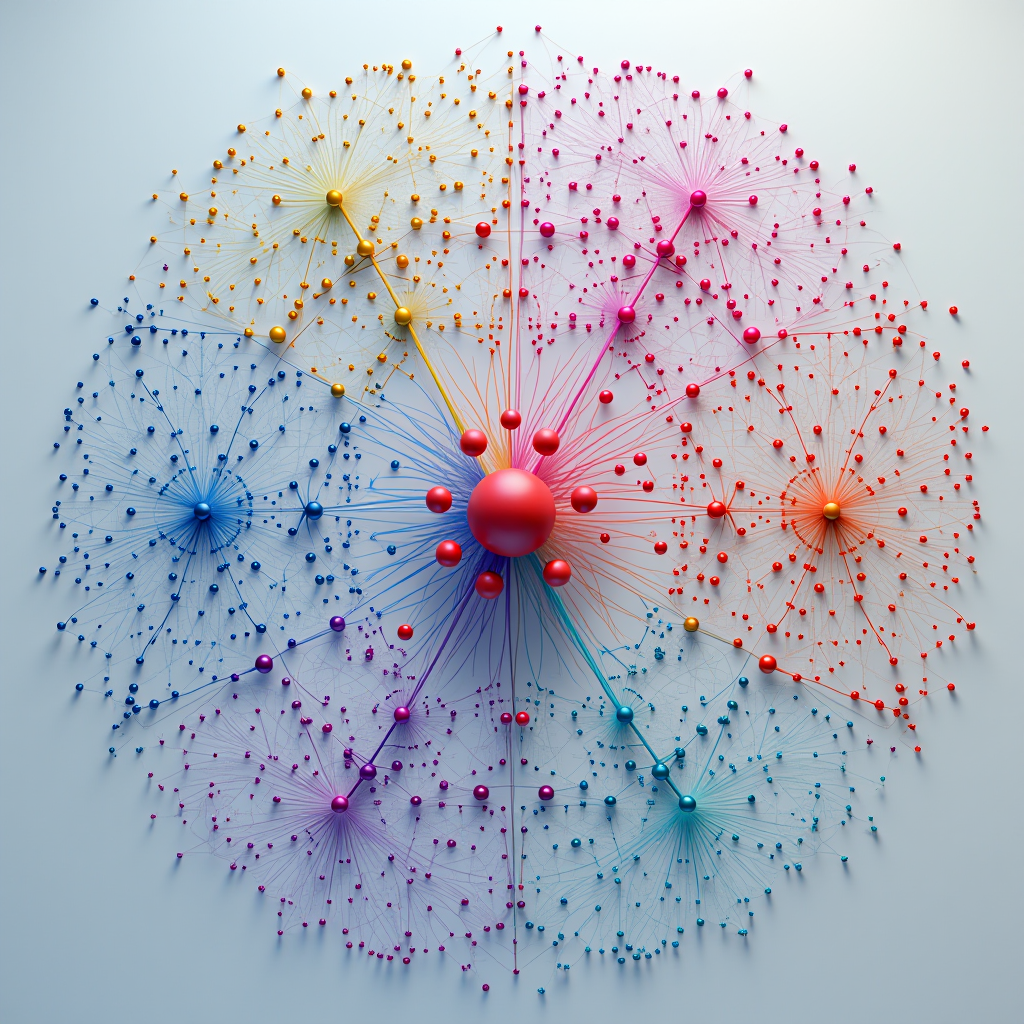
Research into multiplayer engagement reveals that gaming friendships typically fall into several distinct categories. There are "core friends"—players who regularly team up, coordinate schedules, and form the backbone of gaming groups. These relationships often extend beyond the game itself, with players communicating through Discord, social media, or other platforms. Then there are "regular teammates"—players who frequently group together but maintain more casual relationships. Finally, there are "peripheral connections"—acquaintances who occasionally join activities but aren't deeply integrated into the social fabric.
The strength and structure of these connections determine a community's resilience to player churn. Groups with multiple strong connections between members can better withstand the departure of individual players. However, when a core friend—someone who serves as a social hub connecting multiple players—leaves the game, the entire network becomes vulnerable. This is where the cascading effect begins.
The Role of Social Hubs in Gaming Communities
Every gaming community has its social hubs—players who naturally bring people together, organize activities, and maintain group cohesion. These individuals might not be the most skilled players or the highest level characters, but they possess something more valuable: the ability to create and sustain social connections. They're the ones who remember to invite everyone to raids, who check in when someone hasn't logged in for a few days, who mediate conflicts and keep the group atmosphere positive.
When a social hub player leaves, the impact ripples outward in predictable patterns. Other players suddenly find themselves without their primary connection to the group. Scheduled activities become harder to organize. The social glue that held the community together begins to dissolve. Within days, players who were once highly engaged start logging in less frequently. Within weeks, some stop playing altogether.
The 30-Day Critical Window: Why Timing Matters
The 58% probability of additional departures doesn't occur randomly—it follows a specific timeline that reveals much about player motivation and social interaction in gaming. The first week after a core friend's departure is crucial. During this period, remaining players often experience what researchers call "social disorientation." They log in expecting to see their friend online, only to be reminded of their absence. Group activities that once felt natural and enjoyable now feel incomplete or awkward.
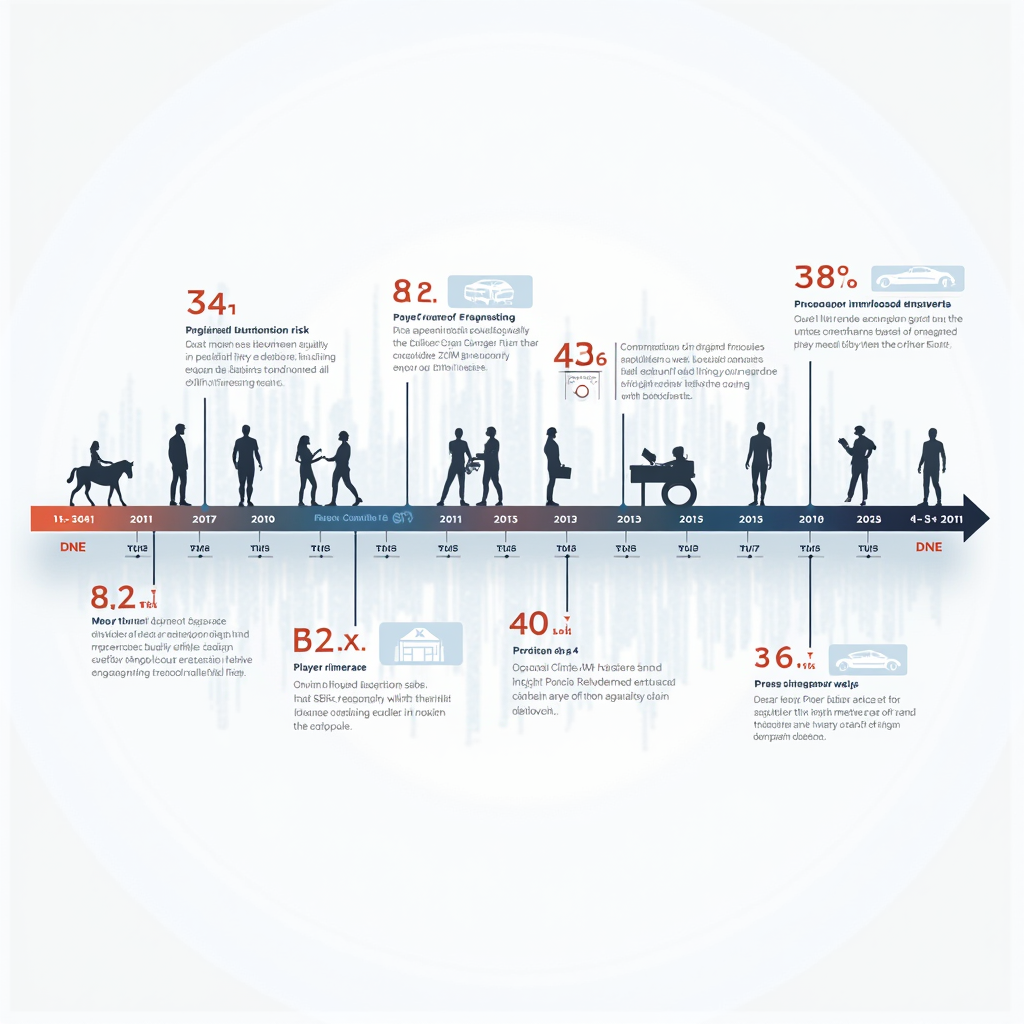
Critical Insight: The Three-Week Threshold
Data shows that if remaining players can maintain engagement for three weeks after a core friend's departure, the probability of cascading churn drops dramatically from 58% to just 23%. This three-week period represents a critical intervention window for game developers and community managers.
Between days 7 and 14, a secondary effect emerges. Players begin actively questioning their own continued participation. Without their primary social connection, they start evaluating the game purely on its content and mechanics rather than its social value. For many players, this shift in perspective reveals that they were staying primarily for the social experience rather than the gameplay itself. This realization often leads to reduced play time and eventual departure.
The third and fourth weeks represent the final decision point. By this time, players have either found new social connections within the game, adjusted to playing without their departed friend, or made the decision to leave themselves. The 30-day mark serves as a natural checkpoint where players consciously or unconsciously evaluate whether to continue investing time in the game.
Behavioral Patterns During the Critical Window
Analysis of player behavior during this 30-day window reveals several consistent patterns. Login frequency typically drops by 35-40% in the first week after a core friend's departure. Session length decreases by an average of 25%, with players logging in briefly to check for messages or updates rather than engaging in extended play sessions. Participation in group activities—raids, dungeons, PvP matches—falls even more dramatically, often by 50% or more.
Communication patterns also shift significantly. Players who previously engaged in frequent voice chat or text communication become quieter. They respond to messages less promptly and initiate fewer conversations. This withdrawal from social interaction creates a feedback loop: as players become less socially engaged, they derive less enjoyment from the game, which further reduces their motivation to participate actively.
The Psychology Behind Cascading Churn
Understanding why players follow their friends out of games requires examining the psychological foundations of social play. Humans are fundamentally social creatures, and our brains are wired to form and maintain social bonds. In gaming contexts, these bonds serve multiple psychological functions that go beyond simple entertainment.
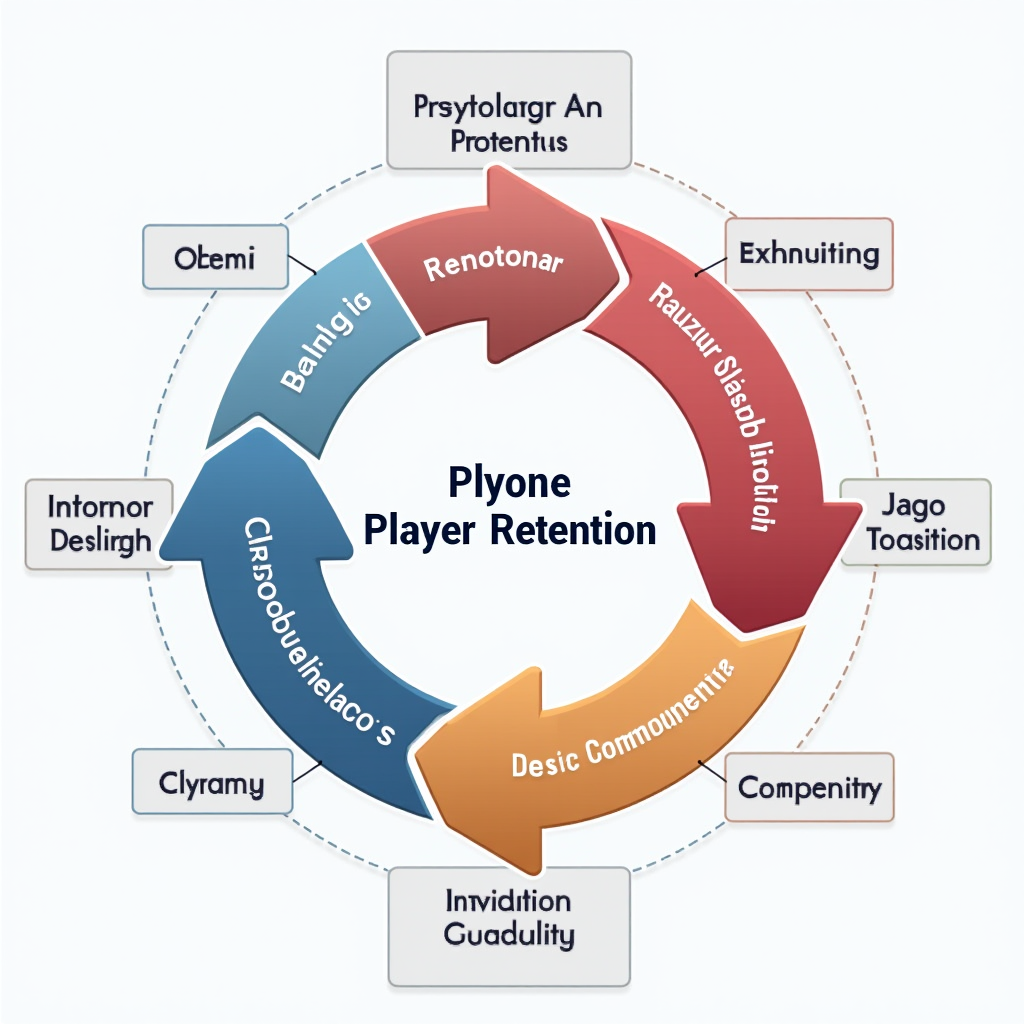
First, gaming friendships provide a sense of belonging and identity. Players don't just play games—they become members of clans and guilds, they adopt group identities, they develop reputations within their communities. When a core friend leaves, it disrupts this sense of belonging. Players may feel that their community is fragmenting or that their role within the group is diminishing. This loss of identity can be surprisingly powerful, even in virtual environments.
Second, social connections in games create accountability and motivation. Players log in not just because they want to play, but because they know their friends are expecting them. They participate in activities because they don't want to let their team down. They push through challenging content because they're working toward shared goals. When a core friend departs, this accountability structure weakens. Players no longer feel the same obligation to log in regularly or participate actively.
The Emotional Investment Factor
Gaming relationships often involve significant emotional investment. Players celebrate victories together, support each other through defeats, share personal stories, and develop genuine friendships that can last for years. When a core friend leaves, it's not just a gameplay disruption—it's an emotional loss. Players may feel abandoned, disappointed, or uncertain about the future of their gaming community.
This emotional dimension explains why the cascading effect is so powerful. It's not simply that players lose a teammate or a convenient grouping partner. They lose someone they've invested time and emotion in, someone whose presence made the game meaningful and enjoyable. The game itself hasn't changed, but the experience of playing it has fundamentally shifted.
Identifying At-Risk Communities Before Churn Occurs
For game developers and community managers, preventing cascading churn begins with identifying vulnerable communities before the first departure occurs. Several warning signs can indicate that a gaming group is at risk of experiencing cascading churn if a key member leaves.
One critical indicator is social network centralization. Communities where one or two players serve as the primary connection point for most other members are inherently fragile. If those central players leave, the entire network can collapse. Analyzing communication patterns, group formation data, and friend connections can reveal these vulnerable structures before problems arise.

Another warning sign is declining engagement among core players. When social hub players start logging in less frequently or participating in fewer group activities, it often precedes their eventual departure. Monitoring these engagement patterns allows developers to intervene proactively, potentially addressing issues before the player decides to leave.
Changes in communication tone and content can also signal problems. Players who are considering leaving often become less enthusiastic in their interactions, express frustration more frequently, or begin discussing other games they're interested in trying. Natural language processing and sentiment analysis tools can help identify these shifts in community mood.
The Importance of Network Diversity
Healthy gaming communities typically exhibit what researchers call "network diversity"—multiple strong connections between different players rather than a hub-and-spoke structure centered on one or two individuals. In diverse networks, the departure of any single player has limited impact because other connections remain intact. Players can reorganize around different social hubs, and the community continues functioning.
Game developers can encourage network diversity through design choices that promote varied social interactions. Features like rotating group compositions, cross-guild activities, and community events that bring together players who don't normally interact all help create more resilient social networks. The goal is to ensure that every player has multiple meaningful connections rather than depending primarily on one or two core friends.
Strategies to Prevent Cascading Churn
Armed with understanding of how and why cascading churn occurs, game developers can implement specific strategies to build more resilient communities and reduce the risk of social gaming exodus. These strategies operate at multiple levels, from game design to community management to player support systems.
Proactive Social Network Strengthening
The most effective prevention strategy is building stronger, more diverse social networks from the beginning. This means designing game systems that encourage players to form multiple meaningful connections rather than relying on a single core group. Matchmaking systems can be tuned to occasionally introduce players to new potential friends while maintaining their existing connections. Guild and clan systems can include features that promote internal networking, such as mentorship programs, role rotation, and sub-group activities.

Cross-community events serve as particularly powerful tools for network strengthening. When players from different guilds or friend groups collaborate on shared objectives, they form new connections that can sustain them if their primary group experiences churn. These events should be designed to require genuine cooperation and communication, not just parallel play in the same space.
Early Warning Systems and Intervention
Implementing sophisticated analytics to detect early warning signs of potential churn allows for timely intervention. When data indicates that a core player is at risk of leaving, community managers can reach out proactively. This might involve offering special incentives to stay, addressing specific concerns the player has expressed, or connecting them with other engaged community members.
Similarly, when a core player does leave, systems should automatically identify other at-risk players in their network. These players can receive targeted support during the critical 30-day window—special events, exclusive content, or community manager attention designed to help them maintain engagement despite their friend's departure.
Facilitating Social Transitions
Games can include features specifically designed to help players navigate the transition when friends leave. "Friend introduction" systems can suggest new potential teammates based on playstyle, schedule, and interests. "Group reformation" tools can help remaining players reorganize and find new members to fill gaps in their roster. "Social memory" features can preserve and celebrate the history of departed players while helping the community move forward.
Some successful games have implemented "alumni networks" where departed players can maintain limited connection with their former communities. This might include access to guild chat, ability to participate in special events, or other features that keep the door open for potential return while acknowledging that the player has moved on. These systems reduce the finality of departure and can help remaining players feel less abandoned.
Building Resilient Gaming Communities for the Long Term
Preventing cascading churn ultimately requires a fundamental shift in how developers think about player retention. Instead of focusing solely on keeping individual players engaged, the emphasis must expand to maintaining healthy, resilient communities that can withstand natural player turnover.
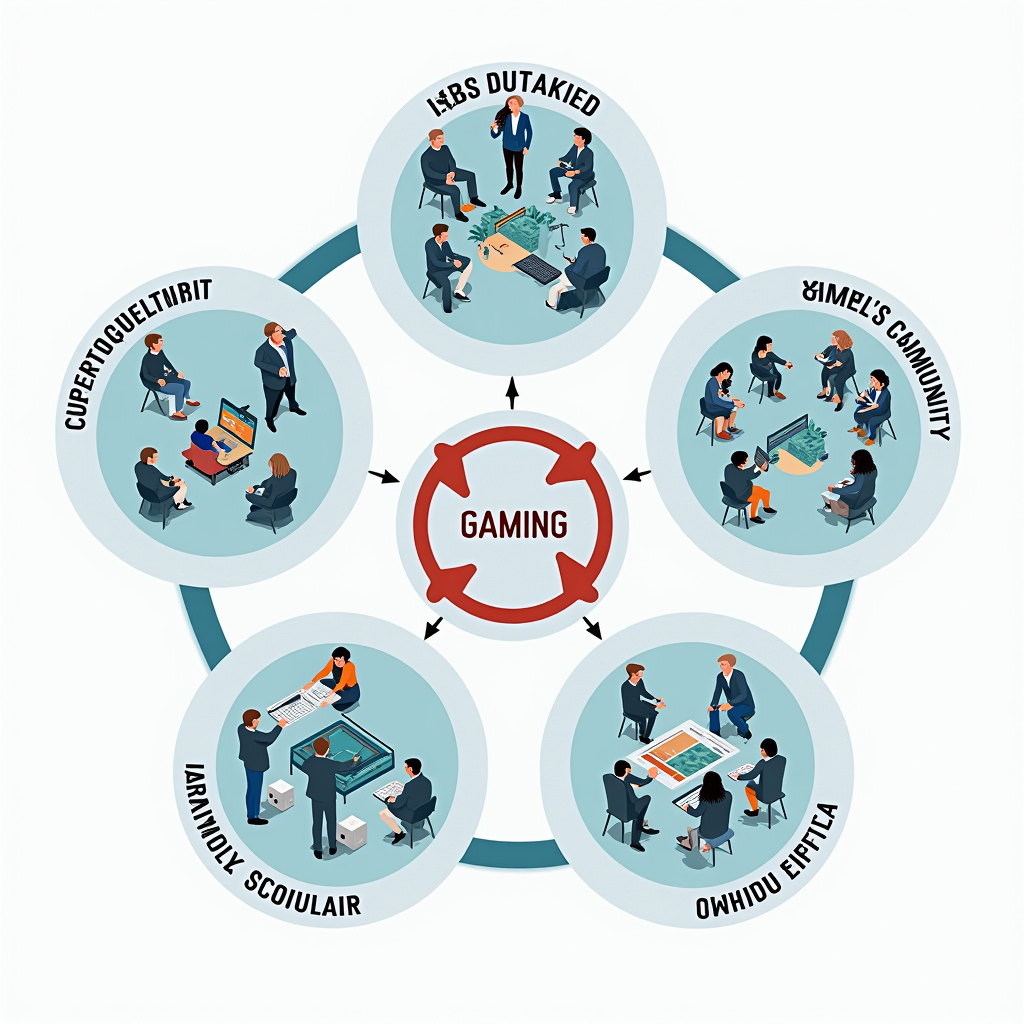
This means investing in community management as a core game system rather than an afterthought. Community managers should have tools and authority to identify at-risk groups, facilitate social connections, and intervene when problems arise. They need access to detailed analytics about social network structure, engagement patterns, and community health metrics.
It also means designing game content and progression systems that naturally encourage group diversity and social network expansion. Content that requires different group compositions for different activities helps players form varied connections. Progression systems that reward helping newer players create mentorship relationships that strengthen communities. Social features that make it easy to organize activities, communicate effectively, and celebrate shared achievements all contribute to community resilience.
The Role of Player Agency and Ownership
Resilient communities are those where players feel genuine ownership and agency. When players can shape their community's culture, organize their own events, and influence the game's direction, they develop deeper investment that transcends individual friendships. Even if core friends leave, players with strong community ownership are more likely to stay and help rebuild.
Game developers can foster this ownership by providing tools for player-created content, supporting player-organized events, and genuinely listening to community feedback. When players feel that their community is truly theirs rather than just a feature provided by the game, they become more resilient to the departure of individual members.
Measuring Success: Beyond Simple Retention Metrics
Traditional retention metrics—daily active users, monthly active users, churn rate—don't capture the full picture of community health and cascading churn risk. Game developers need more sophisticated measurements that account for social network structure and community resilience.
Key metrics for assessing community resilience include network diversity scores (measuring how evenly connections are distributed), social hub redundancy (ensuring multiple players can serve organizing roles), and connection strength indicators (distinguishing between casual acquaintances and core friendships). These metrics help identify vulnerable communities before churn occurs and measure the effectiveness of intervention strategies.
Equally important are qualitative measures of community health. Regular surveys about player satisfaction with their social experience, sentiment analysis of community communications, and feedback from community managers all provide crucial context that pure numbers cannot capture. The goal is understanding not just whether players are logging in, but whether they're finding meaningful social experiences that will sustain long-term engagement.
Conclusion: The Future of Social Gaming Retention
The cascading churn effect represents both a significant challenge and an opportunity for the gaming industry. The challenge is clear: losing one core player can trigger a chain reaction that devastates entire communities. But the opportunity is equally significant: by understanding and addressing this phenomenon, developers can build stronger, more resilient gaming communities that provide lasting value to players.
The future of player engagement and community-driven retention lies in recognizing that players don't just play games—they participate in social ecosystems. These ecosystems require careful cultivation, ongoing maintenance, and thoughtful design. When developers invest in building resilient social networks, they create games that players stay with not just for months, but for years.

The 58% probability of cascading churn within 30 days isn't an inevitable outcome—it's a problem that can be solved through better understanding of social dynamics, proactive community management, and game design that prioritizes social resilience. As the gaming industry continues to evolve, those developers who master the art of building and maintaining healthy gaming communities will find themselves with the most engaged, loyal, and satisfied players.
Ultimately, preventing cascading churn isn't about stopping players from leaving—it's about creating communities strong enough to thrive despite natural turnover. It's about ensuring that when players do leave, they leave behind friends who will continue playing, communities that will continue growing, and social networks that will continue providing value. That's the true measure of success in social gaming retention, and it's a goal worth pursuing for every developer who understands that in online gaming, community isn't just a feature—it's the foundation of everything.